When to See a Specialist for Gum Disease Treatment
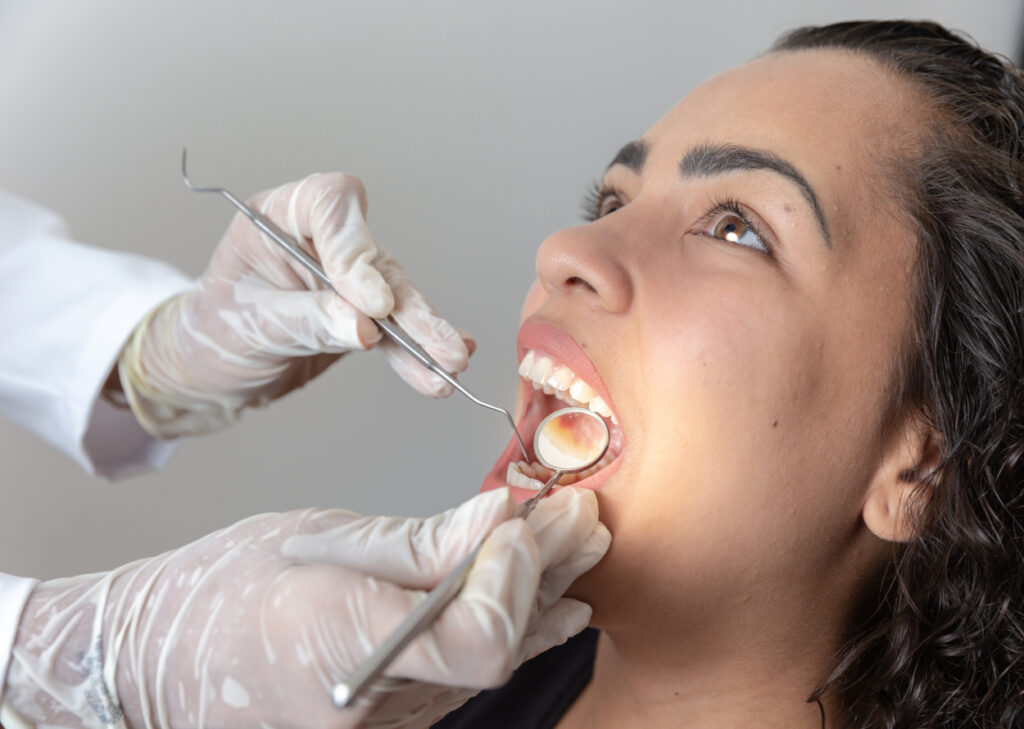
Most people do not wake up one morning and decide they need advanced periodontal care. The usual path is slower and far less dramatic. A little bleeding during brushing gets ignored. Tender gums seem to settle down for a week or two. A cleaning is postponed because work is busy, or because nothing really hurts. By the time the problem feels serious, the disease has often been active for months or even years.
That slow progression is exactly what makes gum disease difficult. It can be quiet while damage continues underneath the gumline. Teeth may still look fine in the mirror. The smile may seem unchanged. Yet the supporting bone, the attachment around the teeth, and the health of the gums may already be compromised. Knowing when to move beyond routine dental care and see a specialist can make the difference between relatively straightforward treatment and a much longer, more expensive process.
A general dentist is often the first person to identify gum disease, and many cases can be managed successfully in a general practice. But there are times when a periodontist, the dental specialist focused on the gums and supporting structures of the teeth, is the right next step. The question is not whether a specialist is always better. It is whether the case has reached the point where specialist training offers a clear advantage.
What gum disease really is, and why timing matters
Gum disease usually begins as gingivitis, which is inflammation limited to the gum tissue. At this stage, the gums may look redder than usual, feel puffy, or bleed when flossing. The good news is that gingivitis is generally reversible with professional cleaning and consistent home care.
The more serious stage is periodontitis. Here, the infection and inflammation go deeper. The attachment between the tooth and gum begins to break down, and bone loss can follow. Once that support is lost, the goal is no longer simple reversal. It becomes control, stabilization, and preserving as much healthy structure as possible.
This is where delays matter. A patient may tell a dentist, “My gums bleed, but they always have.” That kind of casual comment often signals a problem that has been normalized. Healthy gums do not bleed regularly. Bleeding is not just a nuisance. It is a clinical sign. When it is paired with persistent bad breath, gum recession, deeper periodontal pockets, mobility, or bone loss seen on X rays, specialist evaluation becomes more relevant.
From a practical standpoint, earlier referral tends to mean more conservative treatment. A patient seen when pockets are moderately deep and bone loss is limited may avoid surgery or extensive regenerative work later. A patient who waits until teeth are shifting or loosening may face a more complex mix of periodontal therapy, extractions, implants, or prosthetic planning.
The line between routine care and specialist care
General dentists manage a wide range of oral health issues, including many gum problems. They diagnose gingivitis, perform routine cleanings, recommend improved brushing and flossing habits, and often provide scaling and root planing for mild to moderate periodontal disease. In many offices, this works very well.
A specialist becomes especially valuable when the disease is advanced, not responding as expected, or complicated by anatomy, medical history, or prior treatment failure. Periodontists spend years focused specifically on the tissues that hold teeth in place. They routinely manage deeper pockets, complex bone defects, gum recession, failing implants, and cases where surgery may improve outcomes.
The point is not to bypass your general dentist. In most cases, the general dentist is the person who spots the issue first and helps decide whether referral makes sense. Think of it the way you would think about primary medical care. Your family doctor can handle a lot, but there are times when a cardiologist or orthopedic surgeon is the right person to take over part of the problem.
Signs you should not ignore
Gum disease is notorious for being underestimated because its symptoms can seem mild. Some patients expect major pain if something is wrong, but periodontal disease often does not behave that way. A tooth can have significant supporting bone loss and still not ache.
There are a few signs that deserve serious attention, especially if they persist. Bleeding during brushing or flossing is one. Swollen or shiny gums are another. Bad breath that does not improve, a bad taste in the mouth, gum recession that makes the teeth look longer, tenderness when chewing, and new spaces between teeth can all signal disease progression. Teeth that feel different when you bite together, even if they are not obviously loose, should also raise concern.
Here is where clinical judgment matters. A single episode of bleeding after snapping floss too hard is not the same thing as gums that bleed three or four times a week. Temporary irritation after a professional cleaning is not the same thing as chronic inflammation. Patterns matter more than isolated moments.
When a specialist is usually the right move
There is no single universal threshold, but certain situations strongly point toward specialist care for Gum Disease Treatment.
- Your dentist has diagnosed moderate to severe periodontitis, especially with bone loss visible on X rays.
- Periodontal pockets remain deep after initial treatment or keep returning over time.
- Teeth are becoming loose, shifting position, or developing new gaps.
- You have significant gum recession, exposed root surfaces, or sensitivity tied to tissue loss.
- You have medical or lifestyle risk factors, such as diabetes or smoking, that make the disease harder to control.
Each of these reflects a step beyond routine inflammation. For example, deeper pockets can be difficult to clean at home and harder to manage non surgically. Once pockets reach a certain depth, bacteria can thrive where toothbrush bristles and floss simply cannot reach effectively. A periodontist can assess whether the problem is mostly inflammatory, mostly structural, or a mix of both.
Loosening teeth deserve prompt specialist attention. Tooth mobility can come from several causes, including bite trauma, infection, or advanced bone loss. The treatment path depends on the source. Sometimes periodontal therapy stabilizes things nicely. Sometimes the prognosis is poor, and the discussion has to shift toward preserving neighboring teeth and planning replacements wisely. Those are not decisions to make casually.
Recession is another area where specialist input often helps. Many people assume receding gums are purely cosmetic, but that is not always true. Exposed roots are more vulnerable to sensitivity, decay, and wear. In selected cases, soft tissue grafting can protect the tooth and improve comfort. Not every receding gumline needs surgery, but the cases that do are best evaluated by someone who performs those procedures regularly.
What pocket measurements and bone loss actually mean
One of the most confusing parts of periodontal diagnosis is the language used during an exam. Patients hear numbers being called out, often 2s and 3s in healthy areas, maybe a few 4s, then suddenly a 6 or 7. Without context, those numbers mean very little.
Those measurements reflect the depth of the space between the tooth and the gum. Shallow spaces are easier to keep clean and are generally healthier. Deeper spaces suggest tissue breakdown and possible bone loss. A single deep reading does not define the whole mouth, but a pattern of deep pockets in multiple areas often points to periodontitis.
Bone loss on X rays tells another part of the story. Gum disease is not only about the visible soft tissue. Teeth stay stable because bone supports them. When the level of that support drops, the long term outlook changes. Mild bone loss may be managed conservatively if caught early. More extensive or uneven bone loss often needs closer specialist evaluation because the architecture of the supporting tissues can affect which treatments are realistic.
Patients sometimes ask whether pocket depth alone determines the need for referral. It does not. The bigger picture includes bleeding, suppuration, mobility, recession, furcation involvement in molars, home care ability, and response to prior therapy. A six millimeter pocket in a highly motivated patient with otherwise good periodontal stability is not the same as six millimeter pockets throughout the mouth in a smoker with poorly controlled diabetes.
Cases that often become more complicated than expected
Some patterns in practice tend to look manageable at first and then reveal more complexity. Molars are a classic example. Their roots are shaped differently from front teeth, and the spaces between roots can become involved as bone is lost. These areas are notoriously difficult to clean and often harder to treat. A patient may feel surprised when one back tooth needs a referral while front teeth do not, but anatomy plays a major role.
Another complicated category is recurring disease after earlier treatment. A patient may have had deep cleaning before, improved for a while, then returned with inflammation and pocketing. That does not always mean the treatment failed. It may reflect maintenance gaps, uncontrolled risk factors, resistant bacterial patterns, or anatomy that remained difficult to manage. Repeated cycles of temporary improvement followed by relapse are a strong reason to bring in a specialist.
Implants can add another layer. Many people assume implants are immune to gum problems because they are not natural teeth. They are not. The tissues around implants can become inflamed and infected, and bone loss can develop there too. If bleeding, swelling, or bone loss is appearing around an implant, a periodontist is often the right clinician to evaluate it.
Medical factors that change the equation
Not all gum disease behaves the same way, because not all patients bring the same risk profile. Diabetes is one of the clearest examples. Poorly controlled blood sugar can worsen gum inflammation and make healing less predictable. At the same time, periodontal infection can make diabetic control harder. It becomes a two way relationship, and specialist management often helps in patients with more significant disease.
Smoking is another major variable. It changes blood flow, affects healing, and can mask obvious bleeding even while disease is active. Smokers sometimes assume their gums are healthier because they do not bleed much. Clinically, that can be misleading. When smoking is paired with deep pockets or bone loss, referral becomes more compelling because treatment response can be less straightforward.
Other factors include certain medications, dry mouth, a history of aggressive periodontal breakdown at a younger age, immune system conditions, and family patterns that suggest greater susceptibility. None of these automatically means you need surgery or specialist care, but they do lower the threshold for a more focused periodontal evaluation.
What a periodontist may do differently
Patients are often nervous about referral because they imagine it guarantees surgery. That is not how it works. The first specialist visit is usually diagnostic. It involves a detailed exam, probing measurements, review of X rays or new imaging, assessment of recession and mobility, and discussion of risk factors and goals.
Sometimes the specialist confirms that non surgical therapy and regular maintenance are the best plan. Sometimes they recommend scaling and root planing if it has not been done thoroughly already. In other cases, they may suggest localized surgery to reduce pocket depth, regenerate lost support in select defects, or graft tissue where recession is creating problems.
The value of specialist care lies in precision. A periodontist is trained to judge which teeth are maintainable, which sites may benefit from regenerative procedures, and when aggressive treatment is worth the effort versus when it is unlikely to change the long term outcome. That kind of judgment can prevent both undertreatment and overtreatment.
A good referral also improves coordination. In the best cases, the general dentist and periodontist work as a team. One manages the broader dental picture, such as fillings, crowns, bite issues, and routine care. The other focuses on stabilizing the supporting tissues. Patients do better when those pieces are aligned.
Questions worth asking before you decide
If your dentist recommends seeing a specialist, it is reasonable to ask why. In fact, you should. A clear explanation helps you make a better decision and follow through with treatment.
You might ask questions like these:
- How advanced is the disease right now, mild, moderate, or severe?
- What are the pocket depths and is there measurable bone loss?
- Has initial treatment already been tried, and how did I respond?
- Is the goal to save teeth predictably, improve comfort, or prevent future tooth loss?
- If I wait six to twelve months, what is the likely downside?
These questions shift the discussion from vague concern to concrete risk. They also help you distinguish between a referral made out of caution and one made because the case genuinely exceeds the scope of routine care. Most patients appreciate having that clarity.
What happens if you wait too long
The danger of delayed specialist care is not that every untreated gum problem suddenly becomes an emergency. It is that deterioration can continue quietly. The consequences build over time: deeper pockets, more recession, progressive bone loss, bite changes, tooth mobility, recurrent abscesses, and eventually tooth loss.
From a financial standpoint, delayed care is often more expensive. Early management may involve deep cleaning, maintenance visits, and close monitoring. Late management may involve surgery, grafting, extractions, implants, bridges, or removable prosthetics. The difference in cost and complexity can be substantial.
There is also the issue of predictability. Once support around a tooth is badly compromised, even excellent treatment may only partly improve the prognosis. Dentistry can often control disease impressively, but it cannot always restore what has been lost. That is why timing matters more than many people realize.
The emotional side patients rarely mention
There is a practical reality that clinicians see often: people feel embarrassed about gum disease. They apologize for not flossing enough, for delaying visits, for smoking, for being afraid. That embarrassment can delay care more than pain does.
It helps to understand that Gum Disease Treatment periodontal disease is not simply a matter of laziness or neglect. Home care matters a great deal, yes, but so do genetics, anatomy, medical conditions, age, stress, tobacco use, and access to regular care. Shame is not useful here. Action is.
Some of the most successful periodontal patients are not the ones who started with perfect habits. They are the ones who decided, at a certain point, to treat the condition seriously and stick with maintenance. Gum disease often becomes a chronic condition that can be controlled very well, but it usually requires consistency rather than one dramatic fix.
A sensible rule of thumb
If your gums bleed often, your teeth look longer, your breath stays unpleasant despite brushing, or your dentist has mentioned pockets, bone loss, or recession, do not assume it will settle on its own. If you have already had treatment and things are not staying stable, that matters just as much as the original diagnosis.
The best time to see a specialist for Gum Disease Treatment is usually before the problem feels urgent. Referral is not a sign that your mouth is beyond saving. More often, it is the smart move that gives you the best chance of keeping your teeth comfortable, functional, and stable for years to come.
When the signs are mild, routine care may be enough. When the disease is deeper, recurring, or shaped by higher risk factors, specialist care becomes less of an optional second opinion and more of a practical next step. That distinction is where good long term outcomes often begin.
Avra Dental
Address: 1708 S Victoria Ave B, Ventura, CA 93003
Phone number: +18057653206
FAQ About Gum Disease Treatment
Can I make my gums healthy again?
Yes, you can make early-stage gum disease completely healthy again, but advanced damage requires professional care to manage.
Can you cure gum disease?
You can cure early-stage gum disease, but advanced gum disease cannot be fully cured.
Can I live a normal life with gum disease?
Yes, you can live a normal life with gum disease, but it requires active, lifelong management to control the condition and prevent serious complications