Top Questions to Ask Before Starting Gum Disease Treatment
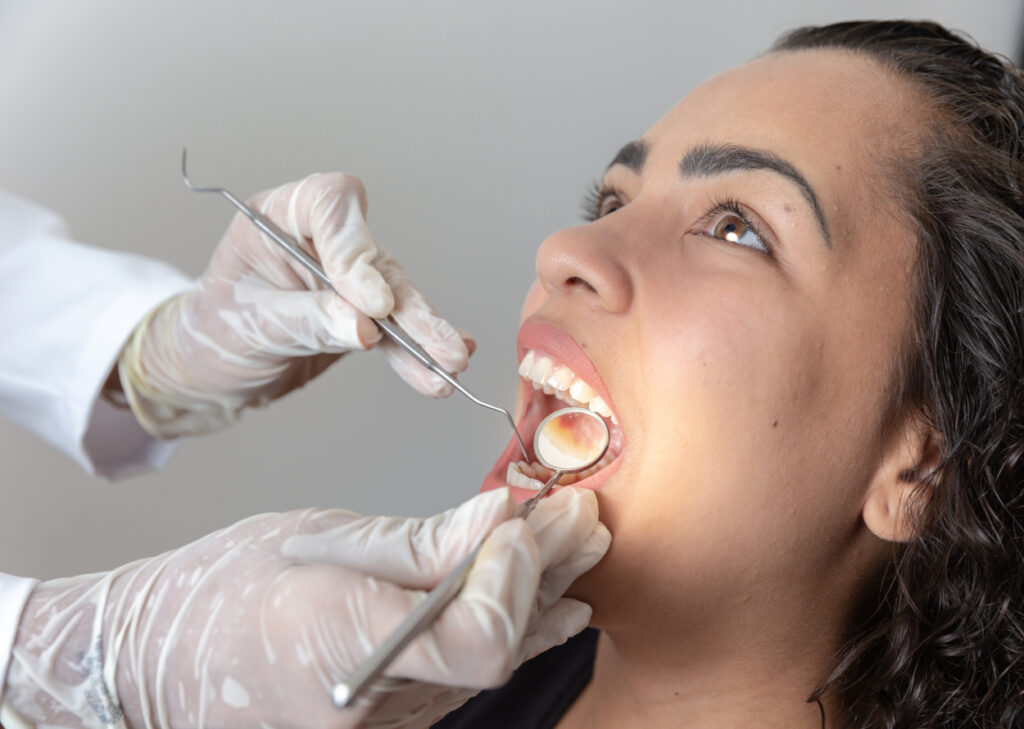


Gum problems rarely begin with drama. More often, they start with a little bleeding when you floss, a faint metallic taste, or gums that seem slightly puffy around a few teeth. Many people dismiss those signs for months, sometimes years, because they do not hurt much at first. That is exactly what makes gum disease tricky. By the time discomfort becomes obvious, the condition may already be affecting the tissue and bone that support your teeth.
If your dentist or periodontist has recommended Gum Disease Treatment, the best next step is not panic. It is a better conversation. Patients often sit through an exam, hear unfamiliar terms like scaling and root planing, pocket depth, bone loss, or maintenance interval, and then agree to treatment without fully understanding what is happening in their own mouth. Later, they are left wondering whether the problem was urgent, whether the proposed treatment is enough, and what results they should realistically expect.
The right questions can change that experience. They help you understand your diagnosis, compare options, prepare for recovery, and avoid spending money on care that you do not yet understand. Just as important, they tell you a lot about the clinician sitting across from you. A thoughtful provider should be able to explain gum disease clearly, without talking down to you or glossing over uncertainty.
What exactly is my diagnosis, and how advanced is it?
This is the first question to ask, because gum disease is not a single, uniform problem. There is a meaningful difference between mild gingivitis and periodontitis with bone loss. Gingivitis affects the gums and is often reversible with professional cleaning and better home care. Periodontitis is more serious. It involves deeper infection and inflammation that can damage the bone and ligament supporting the teeth.
Ask your provider to show you what they are seeing. That may include pocket measurements, bleeding points, recession, mobility, plaque levels, or X-rays. A good explanation often sounds less like a lecture and more like a guided tour. They might say that the gums around your lower molars have pockets of five or six millimeters, that there is bleeding when those areas are probed, and that X-rays show early bone loss in specific spots. That level of detail matters. It tells you whether the disease is localized or widespread, mild or more advanced, stable or actively progressing.
Patients sometimes hear, “You have gum disease,” as if that settles everything. It does not. You need to know whether the issue is mostly inflammation, whether bone has already been lost, and whether any teeth are at particular risk. If you leave the appointment with only a vague sense that your gums are “not great,” you do not have enough information yet.
Why do I need treatment now, instead of waiting?
This question is especially important when symptoms feel minor. Gum disease does not always progress quickly, but it tends not to improve on its own once deeper pockets and tartar deposits below the gumline are involved. The reason many clinicians recommend timely treatment is simple: the longer bacteria and inflammation remain undisturbed below the gums, the harder the condition can be to control.
That said, urgency should be explained, not imposed. If a provider tells you treatment should happen soon, ask what changes they are worried about if you delay for a few months. Are they seeing active bleeding in many areas? Deepening pockets? Furcation involvement around molars, where bone loss in the spaces between roots can make long-term cleaning more difficult? Is there a concern that waiting could make a non-surgical case become a surgical one?
Experienced clinicians usually answer in practical terms. They might explain that a four-millimeter pocket with no bleeding is not the same as a six-millimeter pocket that bleeds easily and traps calculus below the gumline. They may also tell you that the goal is not just to clean the teeth but to interrupt a process that can gradually loosen their support. That is a much clearer rationale than simply saying, “Your insurance will cover it this year,” which may be relevant financially but is not a medical explanation.
What treatment are you recommending, and why this approach?
Gum Disease Treatment can include several different approaches depending on severity. For many patients, the first phase is scaling and root planing, often called deep cleaning. This is a non-surgical treatment aimed at removing hardened deposits and bacterial buildup from below the gumline and smoothing the root surfaces so the gums can heal more effectively. In more advanced cases, your provider may discuss localized antibiotics, laser-assisted therapy, periodontal surgery, gum grafting, or regenerative procedures.
The key here is not just to hear the name of the treatment, but to understand why it fits your case. If non-surgical care is recommended, ask what the provider expects it to accomplish. Is the goal to reduce inflammation and shrink pocket depths enough to maintain your gums with regular periodontal cleanings? Or do they already suspect surgery may be needed later in certain areas?
On the other hand, if surgery is being proposed early, ask what makes your situation unsuitable for non-surgical treatment alone. Sometimes the reason is clear, such as deep residual pockets, significant bone defects, or anatomy that prevents thorough cleaning. Other times, the case may live in a gray zone where more than one reasonable path exists. That does not mean anyone is doing anything wrong. It just means the decision depends on clinical judgment, risk tolerance, and your willingness to commit to maintenance afterward.
The best treatment plan is rarely the most aggressive by default. It is the one that matches the disease pattern in your mouth, your health history, and your ability to maintain the results.
Are there alternatives, and what are the trade-offs?
Many patients are relieved simply to know they have options. Others are surprised to learn that alternatives can differ not only in cost but in comfort, healing time, and long-term predictability.
For example, a person with moderate periodontitis might be offered scaling and root planing first, followed by reevaluation in four to eight weeks. That can be a sensible and conservative starting point. Another person with deep isolated defects might benefit from surgical access sooner because those areas are unlikely to respond fully to cleaning alone. Neither approach is universally better. The question is what each option is likely to achieve in your specific mouth.
Ask your provider to compare the realistic pros and cons. Does one option reduce pocket depths more effectively but involve more downtime? Is one less invasive but more dependent on excellent home care afterward? Is there a chance that a staged approach means paying for treatment in phases, with surgery only if needed later? Those details help you make a decision that is informed, not reactive.
One of the more useful conversations in periodontal care is not “What is the best treatment?” but “What outcome should I expect with each treatment path?” That shifts the focus from sales language to actual clinical planning.
How uncomfortable will it be, and what should recovery look like?
Many adults put off gum care because they have heard frightening stories about deep cleanings or periodontal surgery. The truth is more nuanced. Discomfort varies based on the extent of treatment, your pain tolerance, the amount of inflammation present, and whether local anesthesia is used. Scaling and root planing is often well tolerated, especially when numbness is provided. Some people describe soreness for a day or two, temperature sensitivity, or a slight ache when the numbness wears off. Surgical procedures usually involve a longer healing period and more detailed aftercare.
Ask what the appointment itself will feel like, how long it will last, whether one side of the mouth will be treated at a time, and what you should expect that evening and the next few days. If you have dental anxiety, mention it directly. Providers can often adjust the pace, numb more thoroughly, or discuss comfort options if they know ahead of time.
This is also the time to ask about signs that are normal versus signs that need attention. Tenderness, mild bleeding, and temporary sensitivity may be expected. Increasing swelling, fever, severe pain, or persistent bleeding may not be. Knowing the difference ahead of time prevents a lot of worry and a lot of late-night internet searching.
Will this save my teeth, or just slow the disease down?
This question gets to the heart of expectations. Gum Disease Treatment is often very effective, but it does not always return your mouth to a perfect baseline. If bone has already been lost, that support may not fully regenerate, depending on the type and location of the defect. The gums may heal tighter and healthier after treatment, yet some recession or sensitivity may remain. Pockets can become shallower and easier to maintain, but the need for ongoing periodontal care does not disappear.
A candid provider should explain the difference between controlling disease and reversing every effect of it. In many cases, success means stopping progression, reducing inflammation, preserving function, and keeping your natural teeth healthy enough to use comfortably for years. That is an excellent outcome, even if it does not sound dramatic.
There are also edge cases worth discussing. A tooth with advanced mobility, severe bone loss, or repeated infection may have a guarded prognosis even after treatment. It is better to hear that honestly before investing time and money than to assume every tooth can be rescued equally well. Patients usually handle difficult information much better when it is delivered clearly and respectfully.
How will my overall health affect treatment?
The gums do not exist in isolation from the rest of the body. Smoking, diabetes, dry mouth, certain medications, immune conditions, stress, and even mouth breathing can affect both the severity of gum disease and the way tissues heal after treatment.
If you smoke or vape nicotine, ask how strongly it may affect your results. The answer is often: quite a bit. Smoking can reduce blood flow to the gums, impair healing, and make periodontal disease more stubborn. If you have diabetes, it is worth asking whether your blood sugar control could influence recovery or long-term stability. Patients are often surprised to learn that the relationship goes both ways, with gum inflammation potentially making diabetes harder to manage.
Medication history matters too. Some drugs can contribute to dry mouth, which increases plaque risk. Others, such as blood thinners, may influence treatment planning. The point is not to complicate care unnecessarily. It is to make sure your treatment is tailored to the body you actually live in.
What do I need to do at home for treatment to work?
No professional procedure can compensate for weak home care over time. This is one of the most important truths in periodontics, and one that some patients only learn after paying for treatment once and needing it again later.
Ask your provider to be specific. Not “Brush and floss better,” but what exactly should you change? Should you use an electric brush? Interdental brushes? Floss threaders around bridges? A water flosser? An antimicrobial rinse? Different toothpastes if sensitivity increases after treatment? The right answer depends on your gum contour, spacing, restorations, dexterity, and consistency.
Sometimes a patient has been flossing every night and still develops periodontal issues because the technique is ineffective or because certain back teeth are impossible to clean with floss alone. In those situations, one small tool change can make a major difference. I have seen patients with persistent inflammation around lower molars improve noticeably after switching from standard floss to appropriately sized interdental brushes, not because the new tool was trendy, but because it actually reached the problem area.
A useful home-care conversation should cover these essentials:
- Which tools fit your mouth best, not just which ones are popular
- How often each tool should be used
- Where your hardest-to-clean areas are
- Whether antimicrobial rinses or prescription products are necessary
- What signs at home suggest the routine is working
If your clinician rushes past this part, bring them back to it. Long-term results depend on what happens in your bathroom every day, not only in the dental chair.
How will you measure whether the treatment worked?
This question separates process from outcome. It is easy to assume that once the scaling or surgery is finished, the problem has been handled. In reality, periodontal treatment needs reevaluation. That follow-up is where your provider checks whether pocket depths have improved, bleeding has decreased, tissue tone looks healthier, and problem areas are stable enough for maintenance rather than escalation.
Ask when that reevaluation will happen and what benchmarks matter. A common timeline after non-surgical treatment is several weeks, allowing the gums to heal before measurements are retaken. If some pockets remain deep or inflamed, your provider may recommend further treatment in those specific areas.
You should also ask whether maintenance cleanings will be needed more frequently than standard six-month visits. Many patients with a history of periodontitis are placed on three- or four-month periodontal maintenance intervals. This is not a sales gimmick when it is clinically justified. It reflects the reality that once periodontal disease has occurred, some mouths need more frequent professional disruption of bacterial buildup to stay stable.
What will this cost, and what is included?
Dental cost conversations can feel awkward, but avoiding them helps no one. Gum Disease Treatment can involve several billable steps, and it is reasonable to ask for clarity before anything starts. You want to know not only the fee for the initial procedure, but also whether anesthesia, antibiotics, reevaluation visits, X-rays, irrigation, or maintenance appointments are included or separate.
If insurance is involved, ask what the estimate is based on and what portion could still change. Insurance coverage for periodontal procedures varies widely. Even when a treatment is clearly needed, plans may limit frequency or cover only part of the fee. It is better to hear that up front than to be surprised later by a balance you assumed was covered.
This does not mean choosing the cheapest option automatically. It means understanding what you are paying for, what the next likely steps may be, and whether there are phased alternatives if budgeting matters. A good office should be able to explain this without defensiveness.
Is this the right provider for my case?
Not every case needs a periodontist, but some do. If your situation is mild, a general dentist with solid periodontal experience may manage it well. If you have deep pockets, advanced bone loss, gum recession requiring grafting, failing implants, or complex medical factors, a specialist opinion may be worthwhile.
You do not need to frame this as a challenge. Simply ask whether your case would benefit from referral or co-management. Confident clinicians are usually comfortable answering that question. In fact, they may appreciate it, because referral decisions often come down to complexity, not ego.
It is also fair to notice how your questions are handled. Do you get precise answers or vague reassurance? Does the provider acknowledge uncertainty where it exists? Are risks explained honestly? Good periodontal care depends on both technical skill and communication. If either feels shaky, getting a second opinion is reasonable.
A final check before you book treatment
By the time you are ready to proceed, you should be able to explain your situation in plain language to someone else. Not in dental jargon, but in a sentence or https://www.podbean.com/user-Jm5Yyxh2gI3G two that makes sense. Something like: “I have moderate periodontitis, mostly around my back teeth. They found five- to six-millimeter pockets with bleeding and some early bone loss, so I am starting with deep cleaning and a reevaluation in six weeks.” That level of understanding is a good sign.
If you still feel unsure, pause and ask a few direct questions before committing:
- What happens if I do this treatment now?
- What happens if I wait?
- What result do you expect in my case?
- What part depends on your treatment, and what part depends on my home care?
- What would make you change the plan later?
Gum disease is common, but it should never be approached casually. The stakes are practical and personal. Your gums support your teeth, affect your comfort, shape your breath, influence your restorative options, and in many cases reflect habits and health patterns that extend beyond the mouth. Asking better questions before starting Gum Disease Treatment does more than make you an informed patient. It gives you a stronger chance of choosing the right treatment at the right time, with a clear picture of what success really looks like.
Avra Dental
Address: 1708 S Victoria Ave B, Ventura, CA 93003
Phone number: +18057653206
FAQ About Gum Disease Treatment
Can I make my gums healthy again?
Yes, you can make early-stage gum disease completely healthy again, but advanced damage requires professional care to manage.
Can you cure gum disease?
You can cure early-stage gum disease, but advanced gum disease cannot be fully cured.
Can I live a normal life with gum disease?
Yes, you can live a normal life with gum disease, but it requires active, lifelong management to control the condition and prevent serious complications