Periodontal Treatment for Sensitive Teeth and Inflamed Gums

Tooth sensitivity and inflamed gums often arrive quietly. A sip of cold water starts to sting. Brushing along the gumline feels sharp in one area and dull in another. Then one morning there is a trace of blood in the sink, easy to dismiss if nothing hurts badly enough to stop the day. That is often how gum disease begins to move from a minor nuisance to a problem that affects comfort, appearance, and long-term dental health.
In practice, people rarely come in saying, “I think I have periodontal disease.” They say their teeth feel sensitive, their gums look puffy, or flossing has become unpleasant. Those details matter. Sensitive teeth and inflamed gums can have several causes, but when they show up together, gum inflammation is high on the list of likely explanations. The right periodontal treatment can calm the tissue, reduce sensitivity, and prevent damage that becomes harder and more expensive to manage later.
The key is understanding that sensitivity is not always a problem of the tooth alone. Many people assume the enamel is weak or a cavity is forming. Sometimes that is true. Just as often, the gums are part of the story. When gum tissue is swollen, infected, or receding, the root surface can become exposed. Root dentin is far more sensitive than enamel. It reacts to cold drinks, sweet foods, air, and even the pressure of a toothbrush. If plaque and tartar are driving the inflammation, treating the gums is not an optional add-on. It is the main event.
Why sensitive teeth and inflamed gums often show up together
Healthy gums fit around the teeth like a snug collar. They protect the root surface and help create a barrier against bacteria. When plaque sits at the gumline, the body responds with inflammation. That early stage, gingivitis, can cause redness, swelling, bleeding, and tenderness. At this point, sensitivity may be mild or intermittent.
If the inflammation persists, the attachment between tooth and gum can begin to break down. Pockets may deepen. Tartar can accumulate under the gums where brushing cannot reach. Over time, gum recession may expose the root surface. This is where many patients notice a stronger reaction to cold water, iced coffee, or even breathing in cool air.
There is another layer to it. Inflamed gums are more prone to trauma. A person whose gums are already irritated may brush harder because the teeth “feel dirty” or rough. That extra pressure can wear away the gumline and make sensitivity worse. I have seen patients caught in this cycle for months. They brush more aggressively because the mouth does not feel clean, then the tissue becomes more inflamed and the sensitivity rises.
Not every case follows the same pattern. Some people have significant inflammation with little pain. Others have only modest gum recession but dramatic sensitivity because the exposed root dentin is highly reactive. The degree of discomfort does not always match the degree of disease. That is one reason a clinical exam matters.
What periodontal treatment actually addresses
The phrase “periodontal treatment” can sound broad, and it is. Periodontal care focuses on the supporting structures around the teeth, mainly the gums, periodontal ligament, and bone. For someone with sensitive teeth and inflamed gums, treatment is designed to remove irritants, reduce bacterial load, allow the tissue to heal, and protect any exposed root surfaces.
In mild cases, the answer may be a professional cleaning paired with better home care and short-term use of targeted products. In more advanced cases, treatment may involve scaling and root planing, localized antimicrobial therapy, desensitizing agents, bite adjustment, or referral to a periodontist for surgical management.
The right plan depends on what is causing the symptoms. If the gums are inflamed because of plaque and tartar, simply using a toothpaste for sensitivity will not solve the underlying problem. It may take the edge off, but the inflammation continues. On the other hand, if the gums are healthy and the sensitivity comes from a cracked tooth or heavy grinding, aggressive gum treatment is not the answer. Good periodontal treatment starts with accurate diagnosis, not assumptions.
Common causes your dentist or periodontist will sort through
Several conditions can create the combination of tenderness, sensitivity, and gum irritation. Plaque-induced gingivitis is the most common starting point. It is reversible, but it should not be ignored. Periodontitis, which involves loss of attachment and bone support, is more serious and often requires deeper cleaning and ongoing maintenance.
Other contributors can muddy the picture. Clenching and grinding may create cervical stress near the gumline, making teeth feel sore and more reactive. Acid erosion from reflux or acidic drinks can thin enamel and expose vulnerable areas. Dry mouth raises plaque retention and increases tissue irritation. Hormonal changes can make gums more reactive to even routine plaque levels. Smoking and vaping impair healing and can mask bleeding, sometimes making disease appear less obvious than it really is.
Then there are restorations that do not fit quite right, orthodontic movement that has left thin gum tissue in a vulnerable position, and brushing habits that are too forceful. Real cases often involve more than one factor. The patient with recession may also be grinding. The patient with inflamed gums may also have a dry mouth from medication. Good care means teasing apart those influences rather than applying one-size-fits-all advice.
What the examination usually reveals
When a patient presents with sensitive teeth and inflamed gums, the exam tends to focus on a few practical questions. Are the gums merely inflamed, or has there been attachment loss? Is sensitivity coming from exposed roots, decayed areas, leaking fillings, cracks, or all of the above? Is there localized recession in one spot or generalized gum involvement across the mouth?
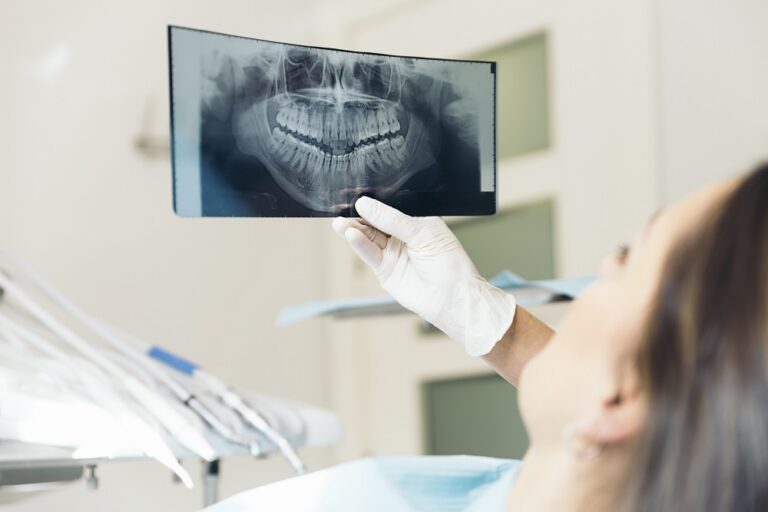
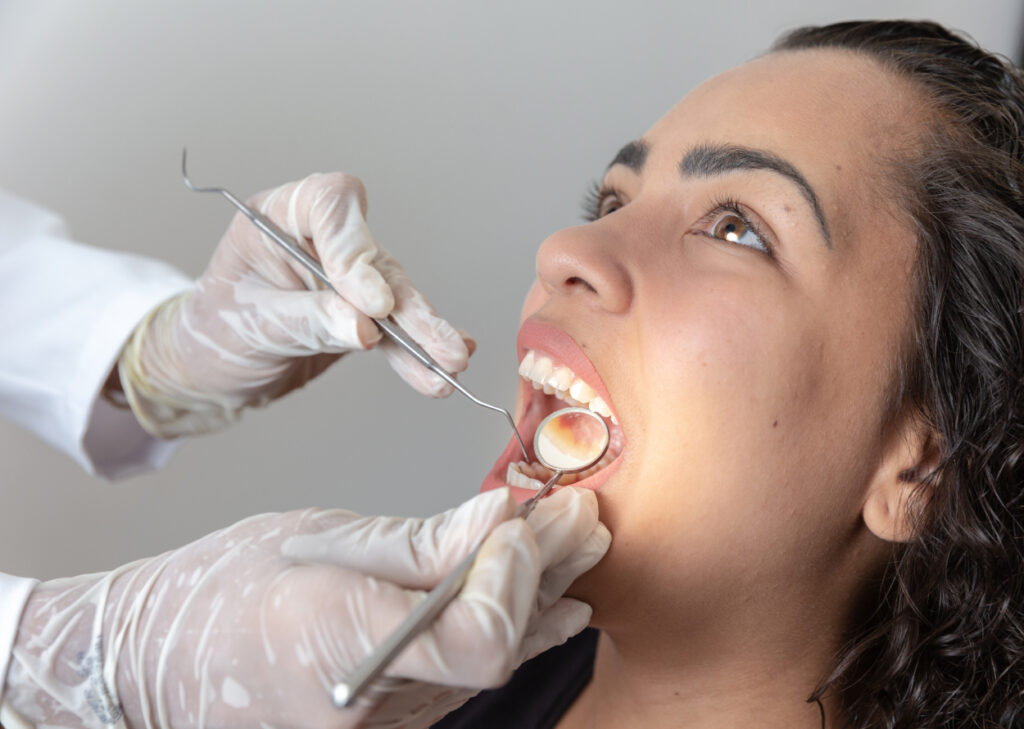
Dentists and periodontists often measure pocket depths around each tooth, check for bleeding, look for recession, assess plaque and tartar levels, and evaluate the bite. X-rays may be needed to see whether bone loss is present. Sometimes the most telling detail is not dramatic at all. A few millimeters of recession on a canine or premolar can explain years of cold sensitivity. A narrow band of inflamed tissue around molars can reveal that flossing has been painful there, leading the patient to avoid the area entirely.
This is also the stage where false assumptions get corrected. A patient may point to one sensitive tooth and expect a filling, only to learn that the tooth itself is structurally sound but the root is exposed because the surrounding tissue has receded. Another patient may think all bleeding gums are “normal for them,” when in fact the bleeding is a clear sign of inflammation that should improve with treatment.
The first phase of care, cleaning up the source of inflammation
For early gum inflammation, the most effective first step is often conservative. A professional cleaning removes plaque, tartar, and superficial stain. If buildup is limited to areas above the gumline and there is no deeper attachment loss, this may be enough to let the tissue recover, provided home care improves as well.
When inflammation has progressed below the gumline, scaling and root planing is often the core periodontal treatment. This is a deep cleaning that removes deposits from the root surfaces and smooths areas where bacteria tend to cling. The goal is not to make the roots glossy for appearance. The goal is to reduce the bacterial burden and create a root surface the tissue can heal against more effectively.
Patients sometimes worry that deep cleaning will make sensitivity worse forever. In reality, there can be a short period of increased sensitivity after the procedure, especially if there was heavy buildup covering already exposed root surfaces. That temporary phase does happen. In most well-managed cases, however, the long-term result is improved comfort because the inflammation settles and the tissue becomes healthier. I usually tell patients to expect a few days to a couple of weeks of fluctuating sensitivity, not a permanent setback.
Local anesthetic is commonly used, particularly if several areas need treatment. For someone who has delayed care because the gums are already sore, this matters. Periodontal treatment should be thorough, but it does not have to be punishing.
How periodontal treatment helps with sensitivity directly
It is easy to think of gum therapy as separate from tooth sensitivity, but they overlap more than most people realize. Once inflamed tissue starts healing, several things improve at once. Bleeding decreases, swelling reduces, and the root surfaces are no longer sitting in a highly irritated environment. That alone can reduce background tenderness.
At the same time, the exposed dentin can be managed more directly. Dentists may apply desensitizing varnishes or bonding agents to particularly sensitive root areas. These materials help seal dentinal tubules, the tiny channels that transmit sensation to the nerve. If the sensitive area is tied to a notch or abrasion near the gumline, a small tooth-colored restoration may be recommended. That is especially useful when brushing causes discomfort every day or when the defect continues to collect plaque.
There is judgment involved here. Not every exposed root needs to be filled. Sometimes a smooth, shallow recession area responds beautifully to periodontal treatment, better brushing technique, and a desensitizing toothpaste. In other cases, especially where the area is deep, rough, or structurally compromised, restoring it makes daily care much easier. The best decisions are made tooth by tooth, not by habit.
When surgery enters the conversation
Most people with sensitive teeth and inflamed gums do not need immediate gum surgery. Still, there are situations where conservative treatment has limits. https://caidenqlce676.wordcanopy.com/posts/periodontal-treatment-and-heart-health-is-there-a-connection If recession is significant and sensitivity remains severe despite improved hygiene and desensitizing measures, gum grafting may be discussed. Grafting can cover exposed roots, improve comfort, and add thickness to fragile tissue that keeps breaking down.
For deeper periodontal pockets that do not respond adequately to non-surgical therapy, a periodontist may recommend surgical access for more complete cleaning or regenerative approaches in carefully selected cases. This is less about relieving simple sensitivity and more about controlling disease and preserving long-term support.
Surgery decisions should balance benefit, cost, healing time, and the patient’s ability to maintain the result. A technically perfect graft will not hold up well in a mouth where plaque control remains poor or brushing trauma continues. That is why good clinicians are often cautious. They want the tissue quiet and the habits stable before moving to surgery.
Home care makes or breaks the result
The success of periodontal treatment depends heavily on what happens between appointments. This is not glamorous advice, but it is true. The gums respond to steady, gentle routines much better than to heroic cleaning sessions done in bursts.
A soft toothbrush is usually the right tool. Many patients with sensitivity assume they need to “scrub through” the problem, but firm bristles and heavy pressure often worsen recession and tenderness. Small circular motions or a modified angle at the gumline are more effective than force. Interdental cleaning matters too, though the method may vary. Traditional floss works well for some. Interdental brushes are often better where there are wider spaces or early attachment loss.
Desensitizing toothpaste can help, but it needs time. I usually tell patients to use it consistently for at least two to four weeks before deciding it has failed. Smearing a small amount over the sensitive area before bed can be useful in addition to regular brushing. Alcohol-free antimicrobial rinses may be recommended in specific situations, but they are support tools, not substitutes for mechanical plaque removal.
Here are the home-care points that tend to matter most after periodontal treatment:
- Brush twice daily with a soft brush and light pressure, especially along the gumline.
- Clean between the teeth every day with the method your dentist recommends, not the one that feels easiest.
- Use a desensitizing toothpaste consistently for several weeks before judging the result.
- Limit frequent acidic drinks and avoid brushing immediately after acid exposure.
- Return for maintenance visits on schedule, because sensitive, previously inflamed gums tend to relapse when cleanings are delayed.
The last point is often underestimated. Patients who respond well to treatment sometimes feel cured and drift away from maintenance. Six months can become twelve, and the old pattern returns. Periodontal disease is manageable, but it rewards consistency.
What recovery usually feels like
Most non-surgical periodontal treatment has a fairly predictable recovery pattern. The gums may feel tender for a day or two. Temperature sensitivity may spike briefly, especially in areas where tartar had been covering the root surface. Mild soreness when brushing is common at first, but many patients notice something encouraging within the first week: the gums bleed less, feel less swollen, and the mouth feels cleaner in a way that ordinary brushing never achieved before treatment.
By the two- to four-week mark, the tissue usually looks firmer and less red if healing is on track. Sensitivity can improve during that same period, though stubborn root sensitivity sometimes takes longer and may need a second round of targeted care. If pain is increasing rather than easing, or if a tooth becomes sharply painful to bite on, that suggests something beyond routine post-treatment tenderness and deserves a closer look.
Recovery after gum grafting or other surgery is more involved. There may be swelling, dietary modifications, and a stricter healing protocol. Still, for carefully selected patients with persistent root exposure and significant sensitivity, the payoff can be substantial.
Red flags that deserve prompt attention
Sensitive teeth and inflamed gums are not always emergencies, but some signs should move treatment up on the calendar. A loose tooth, pus near the gumline, a bad taste that persists, severe swelling, or pain that keeps you awake at night suggests more than ordinary irritation. Rapidly worsening recession also deserves attention, particularly in younger adults, because aggressive habits or bite issues can do damage surprisingly quickly.
A short checklist can help separate routine discomfort from something that should not wait:
- Bleeding that happens daily and is getting worse rather than better
- Swelling or tenderness in one area that feels hot, throbbing, or drains fluid
- Teeth that feel loose or seem to be shifting position
- Sharp sensitivity on one tooth that lingers long after hot or cold exposure
- Gum recession that is visibly progressing over a few months
These findings do not automatically mean severe disease, but they do justify a professional evaluation sooner rather than later.
The role of maintenance after active treatment
After the active phase of periodontal treatment, maintenance becomes the long game. This is where stable results are protected. Depending on the severity of the original problem, maintenance visits may be recommended every three to four months rather than every six. That shorter interval is not arbitrary. In patients with a history of periodontitis, harmful bacterial communities can re-establish themselves before the six-month mark.
Maintenance visits are also when small problems are caught before they become expensive ones. A mildly inflamed site around a molar can be corrected with local cleaning and coaching. Left unattended for a year, the same site may deepen into a pocket that needs retreatment. For sensitivity, maintenance allows clinicians to refresh desensitizing therapies, monitor recession, and adjust the plan if one area remains troublesome.
This is also where behavior change either becomes durable or fades. Patients who switch to a softer brush, improve their angle and pressure, and keep interdental cleaning practical usually do well. Patients who buy every product at once and then abandon the routine in three weeks do not.
What patients often ask, and what usually matters most
One common question is whether gums can “grow back” after they are inflamed. Inflamed tissue can shrink to a healthier contour once swelling resolves, and that is a good thing, but lost attachment does not simply regenerate on its own in most routine cases. That is why early treatment matters. Another frequent question is whether sensitivity means nerve damage. Usually it does not. More often, it reflects exposed or irritated dentin. The distinction matters because it changes the treatment plan completely.
People also ask whether periodontal treatment is worth it if the gums are not causing major pain. From a clinical standpoint, yes. Gum disease is often more destructive than dramatic. It can progress quietly, and by the time pain is obvious, the problem may be more advanced. Treating inflammation early is usually simpler, less invasive, and less expensive than trying to rebuild support that has already been lost.
The practical message is straightforward. If your teeth have become sensitive and your gums look swollen, bleed, or feel sore, those signs belong in the same conversation. Sensitive teeth are not always just sensitive teeth. Often the gums are asking for attention too, and the right periodontal treatment can address both the discomfort you notice now and the structural problems you would rather avoid later.
When treatment is tailored properly, the changes are tangible. Brushing stops hurting. Cold drinks become less of a gamble. The gums look firmer, less shiny, less angry. The mouth feels stable again. That is not cosmetic improvement alone. It is the return of healthier tissue doing the job it was meant to do.
Avra Dental
Address: 1708 S Victoria Ave B, Ventura, CA 93003
Phone number: (805) 941-1001
FAQ About Periodontal Treatment
Can a dentist get rid of periodontal disease?
A dentist or gum specialist (periodontist) cannot fully cure or reverse advanced periodontal disease (periodontitis), but they can successfully stop its progression and manage the infection.
Is periodontitis very serious?
Yes, periodontitis is a very serious, advanced form of gum disease that destroys the bone and tissues supporting your teeth.
How is stage 2 periodontal disease treated?
Stage 2 periodontal disease (early to moderate periodontitis) is primarily treated with non-surgical deep cleaning procedures like scaling and root planing to remove bacteria and tartar below the gumline.