How Periodontal Treatment in Ventura Can Save Your Teeth
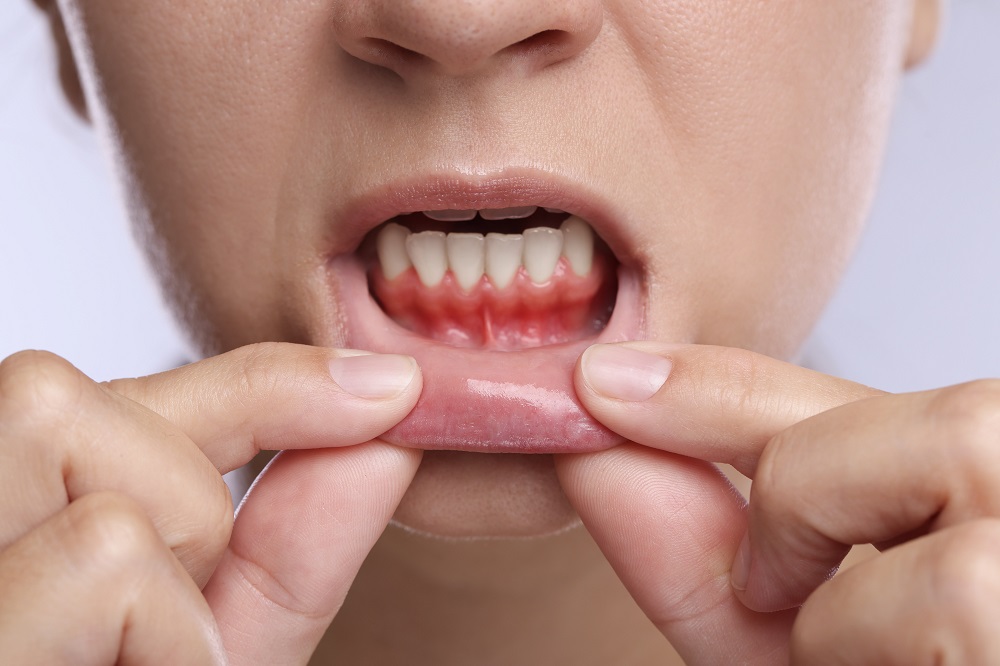
Most people worry about cavities because they can see them on an X-ray or feel them when they bite into something cold. Gum disease is different. It often develops quietly, and by the time it causes obvious pain, the damage may already be advanced. That is exactly why timely periodontal treatment matters. It does far more than freshen breath or calm bleeding gums. In many cases, it is the treatment that keeps a loose tooth from being lost.
When patients hear the phrase gum disease, they sometimes imagine a mild irritation that can be fixed with better brushing. Early inflammation can be mild, but periodontal disease is not simply a hygiene issue. It is a chronic infection and inflammatory process that affects the tissues supporting your teeth, including the gums, ligament, and bone. Once the bone around a tooth starts to shrink, the entire foundation changes. Teeth can drift, loosen, become harder to clean, and eventually fail.
That is why seeking Periodontal Treatment Ventura patients can rely on is not a cosmetic choice. It is an effort to preserve structure, function, comfort, and long-term oral health.
What is actually happening when gum disease progresses
Healthy gums fit snugly around the teeth. Between the tooth and gum is a shallow sulcus, a small space that is easy to keep clean when the tissue is healthy. Trouble starts when plaque is allowed to sit along the gumline. Bacteria in that film trigger inflammation. The gums swell, become tender, and may bleed during brushing or flossing.
At this point, the condition is called gingivitis. Gingivitis is common, and in many cases it is reversible. With thorough cleaning and improved home care, the gums can return to health. The problem is that many people ignore it. They assume a little bleeding is normal, or they switch to brushing more gently and hope it goes away.
If the inflammation continues, the attachment between the gum and tooth starts to break down. The shallow sulcus deepens into a periodontal pocket. These pockets collect more bacteria and become difficult to clean at home. The body’s immune response, combined with bacterial toxins, begins to damage the supporting bone. That is periodontitis.
Once periodontitis sets in, the goal changes. At that stage, treatment is not about reversing every bit of past damage. It is about stopping progression, reducing infection, preserving as much support as possible, and creating conditions that allow the mouth to stay stable.
That distinction matters. Patients often delay care because they think, “If the damage is already there, what is the point?” The point is that untreated periodontal disease rarely stays put. It tends to worsen in bursts. Intervention can make the difference between keeping a tooth for years and losing it far sooner than necessary.
The early signs people miss
A surprising number of patients do not realize they have gum disease until a dentist or periodontist measures the pockets around their teeth. The early warning signs can seem minor or unrelated.
Bleeding during brushing is one of the most common signals. So is bad breath that returns quickly even after cleaning. Some people notice puffiness near the gumline, tenderness in one area, or a strange taste. Others begin to see recession, where the teeth look longer because the gum margin has pulled back. In more advanced cases, food starts trapping between teeth that never used to catch anything, or a bite begins to feel different.
One patient I saw years ago had no pain at all. His only complaint was that one front tooth seemed to be moving slightly when he bit into a sandwich. He assumed he had strained it somehow. What he actually had was longstanding periodontal disease that had quietly reduced the bone support around several teeth. That tooth movement was not the beginning of the disease. It was the moment the damage became impossible to ignore.
Pain is an unreliable guide here. Some severe periodontal cases are remarkably comfortable until late in the process. Relying on discomfort as a signal to seek care is risky.
Why treatment can save teeth that seem doomed
Patients are often shocked when a loose tooth can still be saved. They are equally shocked when a tooth that looks fine on the surface turns out to have poor long-term prospects because of deep bone loss. Teeth survive based on support, not just appearance.
Periodontal treatment works by reducing the bacterial load under the gums, calming inflammation, shrinking or eliminating pockets where infection persists, and creating a cleaner, more maintainable environment. In many cases, once the infection is controlled, tissues tighten up, swelling decreases, and tooth mobility improves. A tooth that felt unstable may feel much firmer after the gums heal and biting forces are adjusted.
Not every compromised tooth can be saved. Some have too little remaining bone, severe root anatomy problems, vertical fractures, or furcation involvement that makes them nearly impossible to maintain. Good periodontal care is not about promising miracles. It is about making careful judgments tooth by tooth.
That judgment is where experience matters. Saving teeth is usually preferable when the prognosis is reasonable, but keeping a tooth at all costs is not always the right decision. Sometimes removing one severely compromised tooth can protect the rest of the mouth by reducing infection and simplifying hygiene. The best periodontal treatment plan is not the most aggressive one. It is the one that gives the patient the most stable, maintainable result over time.
What a periodontal evaluation in Ventura usually involves
A proper periodontal evaluation is more detailed than a routine glance at the gums. The clinician measures the spaces around each tooth, checks for bleeding, evaluates recession, mobility, bone levels on X-rays, plaque accumulation, bite stress, and any local factors such as overhanging fillings or hard-to-clean restorations.
Those pocket measurements matter. Healthy readings are usually shallow. Deeper readings may indicate attachment loss, especially when paired with bleeding or radiographic bone changes. The pattern matters too. A patient with generalized mild pocketing may need a very different plan from someone with isolated deep defects around a few teeth.
Medical history also plays a major role. Smoking remains one of the strongest risk factors for periodontal breakdown and poorer healing. Diabetes, especially when not well controlled, can complicate inflammation and response to treatment. Certain medications can affect gum tissues or reduce saliva. Grinding and clenching can worsen tooth mobility when the supporting bone is already compromised.
When people search for Periodontal Treatment Ventura practices often begin by sorting out these overlapping factors. It is rarely just one thing. Most periodontal problems are a mix of bacterial accumulation, host response, anatomy, habits, and maintenance.
The treatments that make the biggest difference
The first line of care for active gum disease is often nonsurgical periodontal therapy, commonly called scaling and root planing. This is more than a routine cleaning. The purpose is to remove plaque, calculus, and bacterial deposits from below the gumline and smooth the root surfaces so the tissue can heal against a cleaner surface.
For many patients with mild to moderate disease, this step makes a substantial difference. Bleeding decreases, swelling goes down, pocket depths improve, and home care becomes more effective. Some offices may use localized antimicrobial agents in selected areas, though these are usually adjuncts rather than the main event.
Follow-up is critical. Periodontal therapy is not complete the day the instruments are put down. The tissues need time to respond, and then they need to be reevaluated. Some pockets resolve well. Others remain deep because of anatomy, advanced bone loss, or persistent inflammation. Those areas may require surgical treatment.
Periodontal surgery can sound intimidating, but in many cases it is straightforward and highly targeted. The goals may include better access for cleaning deep root surfaces, reshaping bony defects, reducing pockets, or regenerating support in carefully selected sites. Gum grafting may be recommended when recession leaves roots exposed, causes sensitivity, or threatens long-term stability.
There is no single treatment that fits every patient. Two people can both be told they have periodontitis and still need very different care. One may respond well to deep cleaning and maintenance. Another may need surgery in a few key areas. Another may need extraction of one hopeless tooth plus stabilization of the rest.
That variability is normal. Good periodontal care is tailored, not formulaic.
How timing changes the outcome
One of the hardest conversations in practice is with the patient who delayed care because the problem did not seem urgent. A six-month delay may not sound dramatic, but periodontal disease does not follow a neat schedule. Some mouths stay relatively stable for a while, then experience rapid breakdown when inflammation flares or home care slips.
Timing affects what options remain on the table. A moderately deep pocket with a contained bony defect may be treatable in a way that preserves support. Wait long enough, and the defect may become too extensive or too poorly shaped for predictable regeneration. A tooth with early mobility may tighten after treatment, while one with advanced mobility and ongoing trauma may not recover enough support to function comfortably.
This matters financially as well as biologically. Early treatment is usually simpler and less expensive than managing advanced disease. A patient who addresses inflammation and pocketing promptly may avoid future extractions, bone grafting, implants, or complex bridgework. It is not always possible to save every tooth, but the odds improve when the disease is treated before the architecture collapses.
Why maintenance is where teeth are truly saved
The phrase periodontal treatment can make it sound like a one-time fix. In reality, maintenance is where long-term success lives or dies. After active therapy, patients with a history of periodontitis usually need periodontal maintenance visits more often than the average six-month cleaning schedule. For many, every three to four months is more appropriate, though timing depends on risk factors and how stable the tissues remain.
That interval is not arbitrary. The bacterial community under the gums can repopulate over time, and patients with a history of attachment loss tend to be more susceptible to recurrence. Maintenance appointments allow the team to remove buildup in areas that are difficult to manage at home, track pocket depths, reinforce technique, and catch changes before they become major setbacks.
Home care matters just as much. The exact tools vary, but consistency matters more than novelty. Thorough brushing at the gumline, daily interdental cleaning, and using devices that fit the patient’s anatomy can dramatically affect stability. A patient with wide spaces after bone loss may benefit more from interdental brushes than floss alone. Another may need a water flosser to supplement, not replace, mechanical cleaning.
This is one area where honesty is important. Perfect home care is rare. Improvement is what matters. I have seen patients with advanced periodontal histories keep their teeth for many years because they became disciplined about maintenance and realistic about follow-up. I have also seen beautifully treated surgical sites fail because the patient disappeared after the first phase of care.
Ventura patients often ask whether treatment is worth it if they may need implants later
It is a fair question. If a tooth has a guarded prognosis, why invest in trying to save it?
The answer depends on function, comfort, cost, timing, and the condition of the surrounding mouth. Saving a natural tooth, even for several years, can be worthwhile if it remains comfortable and maintainable. A natural tooth helps preserve chewing efficiency, stabilizes the bite, and may delay more invasive treatment. It also buys time if other priorities, medical issues, or finances make immediate replacement difficult.
On the other hand, repeatedly treating a tooth with very poor prognosis can become frustrating and expensive. There are cases where extraction is the more rational path, especially when infection persists or the tooth compromises neighboring structures.
What often gets overlooked is that implants are not immune to gum-related problems. People who have had periodontitis are also at higher risk for inflammation around implants if maintenance is poor. Replacing failing teeth without controlling the periodontal environment first is a mistake. Healthy implants require healthy habits and stable surrounding tissues.
That is one reason Periodontal Treatment Ventura clinicians often emphasize disease control before discussing long-term replacements. The mouth needs a healthier foundation, whether the goal is to keep natural teeth, place implants, or combine both.
The connection between gums and everyday quality of life
Periodontal disease is sometimes framed purely as a dental charting problem, pocket depths, bone levels, radiographs, maintenance intervals. Those details matter, but patients usually feel the impact in ordinary moments.
It shows up when steak becomes hard to chew on one side because a molar feels weak. It shows up when someone avoids smiling fully because the gums have receded and dark spaces have opened between the teeth. It shows up when chronic bad breath creates social anxiety, or when cold water sends a sharp sensation through exposed root surfaces.
Saving teeth is not just about avoiding extraction. It is about preserving normal function and confidence. Teeth that feel solid let people eat, speak, and smile without that low-grade worry in the background.
There is also an emotional side to it. Many patients blame themselves when they hear they have advanced gum disease. Sometimes poor home care did contribute, but not always in the simplistic way people assume. Genetics, smoking history, old dental work, dry mouth, diabetes, stress, crowded teeth, and delayed diagnosis all play roles. Shame is not useful. Action is.
What to look for when choosing care
Not every gum problem requires a periodontist, but advanced or complex cases often benefit from one. Depth of experience matters when the diagnosis is uncertain, several teeth have questionable prognosis, or surgical decisions could change the long-term outcome.
A good provider explains what is happening in plain language. They should be able to show you where the disease is active, describe the goal of treatment, and be honest about limits. Some teeth can be stabilized but remain compromised. Some may need to be monitored rather than treated immediately. Some are better removed. Clear communication is part of quality care.
Ask practical questions. How deep are the pockets, and where? Is the bone loss generalized or localized? What improvements should be expected after the first phase of treatment? What happens if a few sites do not respond? How often will maintenance be needed? Those answers are more useful than vague reassurance.
If you live locally and are weighing Periodontal Treatment Ventura options, look for a team that focuses on diagnosis, measurable follow-up, and realistic planning. Gum disease management should feel structured, not rushed.
When waiting becomes the most expensive choice
People delay periodontal care for familiar reasons. Work is busy. There is no pain. Insurance is unclear. The tooth still feels usable. The estimate seems high. All of that is understandable, but gum disease tends to turn small decisions into expensive ones.
A tooth lost to periodontal breakdown is rarely the end of the story. Neighboring teeth may drift. Opposing teeth may supraerupt. Chewing patterns change. Replacing the tooth, if desired, can involve grafting, prosthetics, or implant planning. Even when replacement is straightforward, it is usually more involved than treating disease earlier.
The better way to think about periodontal treatment is not as a reaction to disaster, but as a way to prevent the mouth from becoming more fragile over time. Strong support around the teeth is what allows routine dentistry to succeed. Fillings, crowns, bridges, even orthodontic treatment all depend on periodontal stability.
Teeth do not need perfect gums to survive. They do need enough healthy support to handle the normal forces of daily life. When inflammation is brought under control and maintenance becomes routine, many teeth that looked uncertain can continue serving patients well for years.
That is the real promise of periodontal care. It does not erase the past. It gives your teeth a fighting chance for the gum disease specialist Ventura future.
Avra Dental
Address: 1708 S Victoria Ave B, Ventura, CA 93003
Phone number: (805) 941-1001
FAQ About Periodontal Treatment Ventura
Can a dentist get rid of periodontal disease?
A dentist or gum specialist (periodontist) cannot fully cure or reverse advanced periodontal disease (periodontitis), but they can successfully stop its progression and manage the infection.
Is periodontitis very serious?
Yes, periodontitis is a very serious, advanced form of gum disease that destroys the bone and tissues supporting your teeth.
How is stage 2 periodontal disease treated?
Stage 2 periodontal disease (early to moderate periodontitis) is primarily treated with non-surgical deep cleaning procedures like scaling and root planing to remove bacteria and tartar below the gumline.